
Monitoring and evolution
Uptime, error and Core Web Vitals monitoring, dependency and security updates, a quarterly roadmap and full release management for web, App Store, Google Play and over-the-air updates, on a monthly senior retainer.

What it is
Monitoring and evolution is the part of a Polargate CARE retainer that keeps a live website, portal or app healthy and moving forward after launch. We watch uptime, errors and Core Web Vitals on real traffic, keep dependencies and security patches current, agree a quarterly roadmap with you, and manage every release, from a web deploy to an App Store submission or an over-the-air update. It is senior work on a fixed monthly fee, not a ticket queue.
How we do it
The retainer runs through the Polargate ServiceDesk: one place for tickets, email in and out, your hours balance and your invoices. Each plan carries an hours envelope, for example 16 maintenance hours plus 4 urgent hours a month. Continuous integration runs typecheck, lint, unit tests and a production build on every change. On kd.tech that means 155 unit tests and an external healthcheck every six hours; on the Concert Music Festival app, 106 unit tests plus an end-to-end smoke test. Once a month an audit routine reviews the live site and the repository across performance, accessibility, security, structured data and AI-search readiness, and reports before anything is deployed. Our AutoFix agent drafts fixes for routine tickets and a senior engineer reviews every diff. Releases are automated and reversible: tag-triggered pipelines build and sign iOS and Android, submit through the store APIs, and self-hosted over-the-air updates ship JavaScript changes in hours, with channels, staged rollout and a kill switch per platform.
What you get
A product that measurably improves instead of quietly rotting. On kd.tech, the August 2026 maintenance cycle moved Lighthouse mobile from 71/99/93/69 to 76/100/100/100 (performance, accessibility, best practices, SEO) and took lint errors from 137 to zero. On the Hotel Talavera site, a multi-agent audit produced 48 findings, all 48 confirmed under adversarial review, and 16 real bugs fixed. You also get a written report each month, a roadmap you can argue with, and full ownership of the code, the repositories and the cloud accounts.
What it costs
From 850 euros a month for an app or a site under monitoring and release management, with a three-month minimum. That is what a site plus ServiceDesk with 16 maintenance hours and 4 urgent hours is invoiced at. Work outside the envelope is quoted separately or drawn from an hours bundle. Monthly and rolling after the minimum term, cancellable with 30 days of notice.
Proof
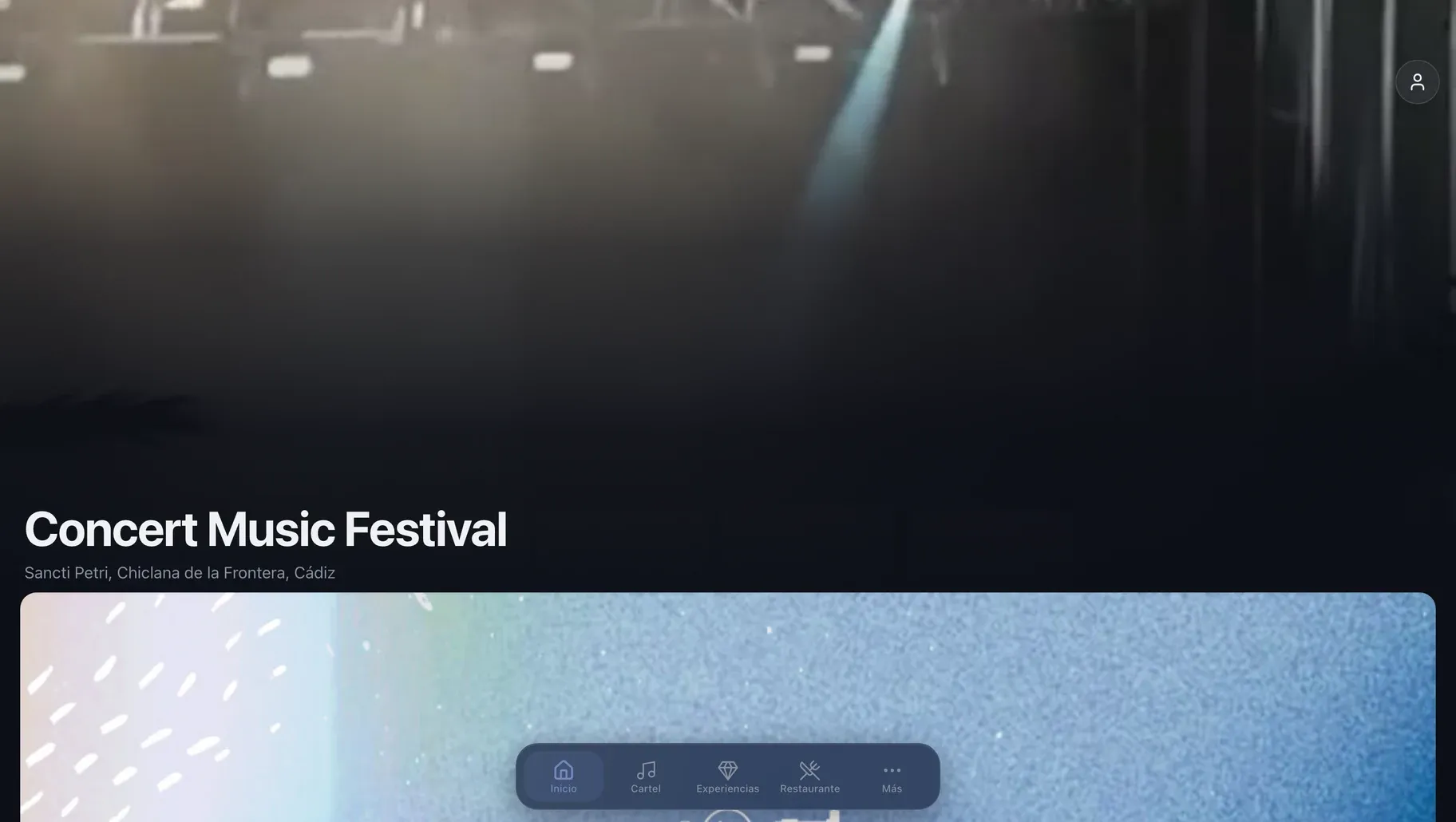 Concert Music Festival
From a frozen line-up to an app that updates itself
A Spanish summer music festival had its line-up compiled into the app binary and its backend locked inside a no-code platform. Polargate rebuilt the foundation in four days, ten days before the season started.
2026Read the case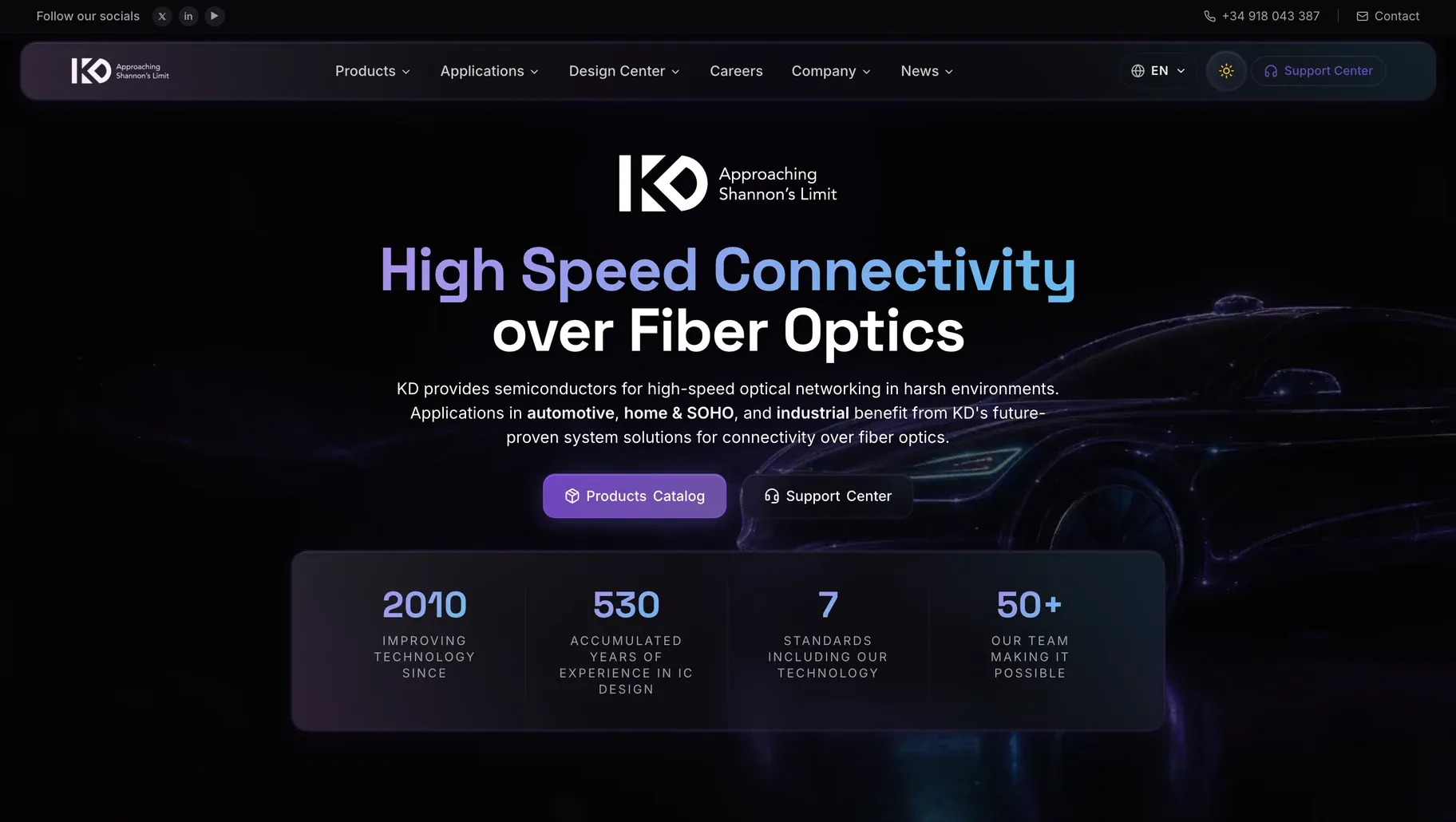 KD.tech
One platform for a semiconductor company: site, ServiceDesk and admin portal on a single codebase
Polargate replaced KD.tech's WordPress site and a planned Odoo rollout with one React and Supabase platform holding the bilingual corporate site, a customer ServiceDesk and an admin portal, and now runs it on a monthly senior retainer.
2026Read the case
Questions, answered
How much does monthly website and app maintenance cost?
How quickly do you respond when something breaks?
Can you handle our App Store and Google Play releases?
What happens to the hours we do not use in a month?
How long does it take to get started, and can we cancel?
Can you maintain a site or app that another agency built?
Start the engine
Tell us what you are building in a few short questions. A senior engineer answers in writing within 48 business hours, with a first take on scope, timeline and price.