
Mobile apps
iOS and Android apps built with Capacitor or Expo from one codebase, published to both stores, with push, deep links, automated releases and over-the-air updates from Polargate's own OTA hub.

What it is
Polargate builds iOS and Android apps for mid-market companies that already have a product, a website or a prototype and need it in the stores, maintained, and updatable without a review queue every time a typo has to be fixed. We use Capacitor or Expo (React Native) so one TypeScript codebase serves iOS, Android and the web, and native code is written only where it earns its place: push, deep links, secure storage, camera.
We are not the right studio for a game engine, an AR product or an app built around hardware of your own design that does not exist yet. Connecting to a standard device somebody else already manufactures, through the API, webhook or export it publishes, is a different job, and that one we do build. We are the right studio for a booking app, a guest app, a festival app, an internal field tool or a customer portal that has to live on a phone.
How we do it
Every app starts with a paid Discovery Sprint: we agree the screens, the data model, the store accounts and the release path before writing production code. Then we build in short cycles against a real backend (usually Supabase, Postgres with row level security), not mock data.
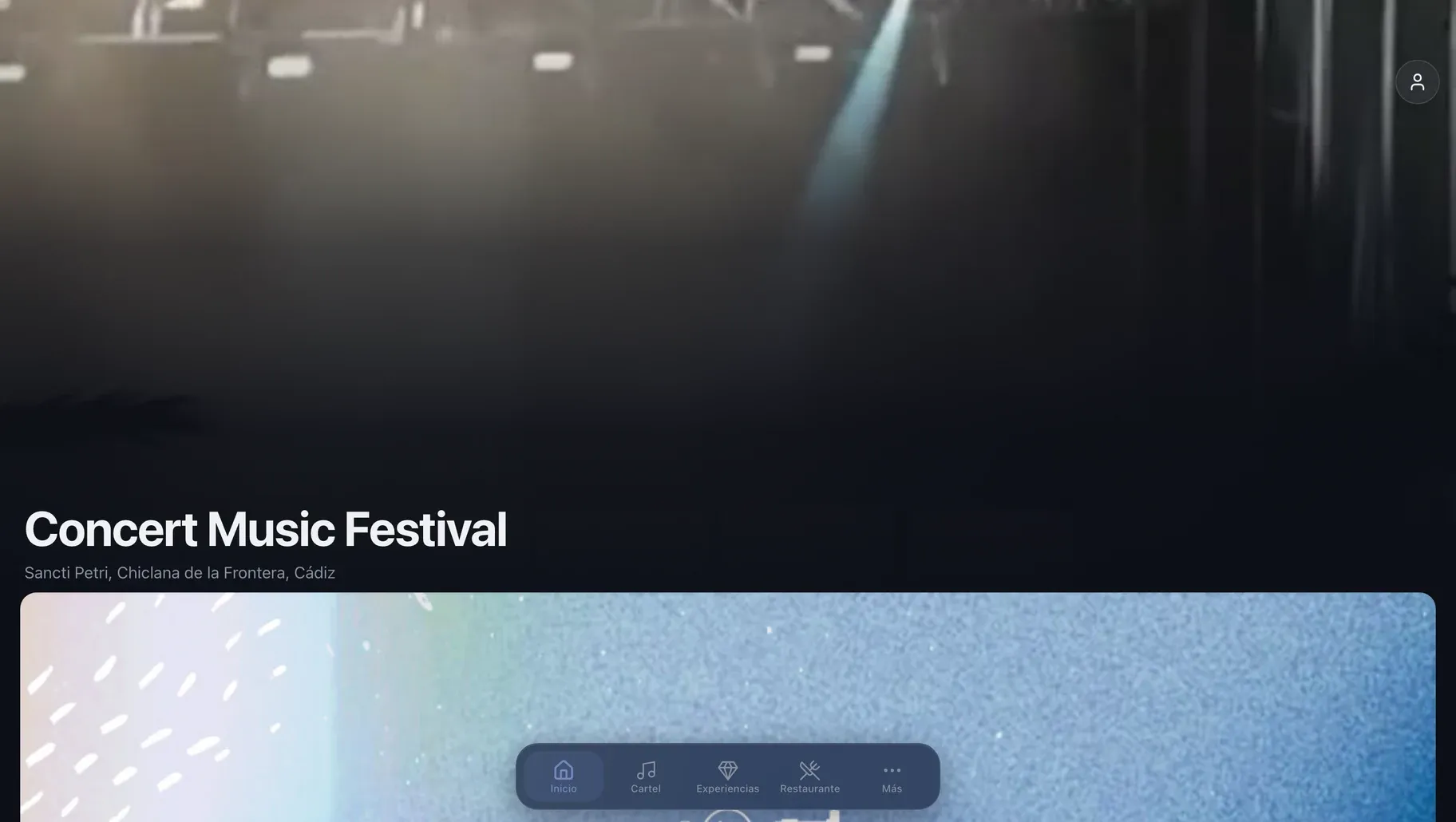
Release engineering is part of the build, not an afterthought. iOS builds run on Xcode Cloud from a git tag, Android builds and Play uploads run on GitHub Actions, and submission is automated through the App Store Connect and Play Developer APIs. Push is wired end to end (APNs directly on iOS, FCM HTTP v1 on Android) with delivery auditing and a remote kill switch per platform, because the failure we see most often is an app that has been registering zero tokens for weeks and nobody noticed. On one festival app, six missing lines in the AppDelegate were the reason push had never worked.
Over-the-air updates ship through Polargate's own OTA hub (self-hosted Capgo), with channels, staged rollouts, a minimum native version gate and a kill switch. Content and bug fixes reach users in minutes, and only genuinely native changes go through review.
What you get
Two store listings, one codebase, and the accounts in your name: Apple Developer, Google Play, Firebase, the backend. You get the repository, the CI pipelines, the signing setup documented, store screenshots per language, crash reporting (Crashlytics for native, Sentry for JavaScript) and analytics. You also get an honest list of what we would not build yet.
After launch the app can move to a CARE retainer, where releases, store policy changes and OS updates are handled as routine work through our ServiceDesk.
What it costs
Taking a working prototype or web product to production on both stores starts at 9,900 EUR and typically lands between 9,900 and 14,900 EUR, depending on the native surface (push, offline use, payments, deep links) and how many languages your store listings need. The Discovery Sprint has its own fixed price, and half of it is credited against the build if it starts within 60 days. Monthly care is quoted separately once the app is live.
Proof
Questions, answered
How much does it cost to turn our prototype into a real iOS and Android app?
How long does it take to get an app into the App Store and Google Play?
Capacitor, Expo or fully native: which one should we choose?
Can we update the app without waiting for Apple review every time?
Can you take over an app another agency or an AI builder already made?
Who owns the code and the store accounts?
Start the engine
Tell us what you are building in a few short questions. A senior engineer answers in writing within 48 business hours, with a first take on scope, timeline and price.